
How Are Window Sills Handled in External Wall Insulation Systems?
One of the most common and understandable questions homeowners ask when considering External Wall Insulation (EWI) is:
“What happens to the window sills when insulation is added to the outside of the building?”
It’s a crucial detail that is often overlooked at the early design stage, yet it has a significant impact on both the performance and appearance of the finished façade.
Why Window Sills Matter in EWI
When external wall insulation is installed, the thickness of the wall increases—often by 200–150 mm or more. Existing window sills, which were originally sized for the uninsulated wall, can suddenly become too short.
A properly functioning window sill must project beyond the finished façade to allow rainwater to drain clear of the wall. If the sill does not extend far enough:
-
Water can run back onto the façade
-
Staining and algae growth may occur
-
Moisture can penetrate the system over time
-
The risk of damp issues increases
For these reasons, window sill detailing is a critical part of a successful EWI installation.
The Ideal Scenario: New Windows Installed Before EWI
If windows are being replaced as part of a renovation project, the most effective solution is to specify new window sills with sufficient projection for the future insulation system.
This approach offers several advantages:
-
The sill is integrated into the window design
-
A clean, consistent finish is achieved
-
No additional extensions or overlays are required later
-
Long-term durability is improved
However, in many cases, existing windows are in good condition and are not being replaced. In these situations, window sill extensions become necessary.
Options for Extending Existing Window Sills
There are several commonly used methods for extending window sills when installing EWI. The most suitable option depends on budget, aesthetics, and the architectural style of the building.
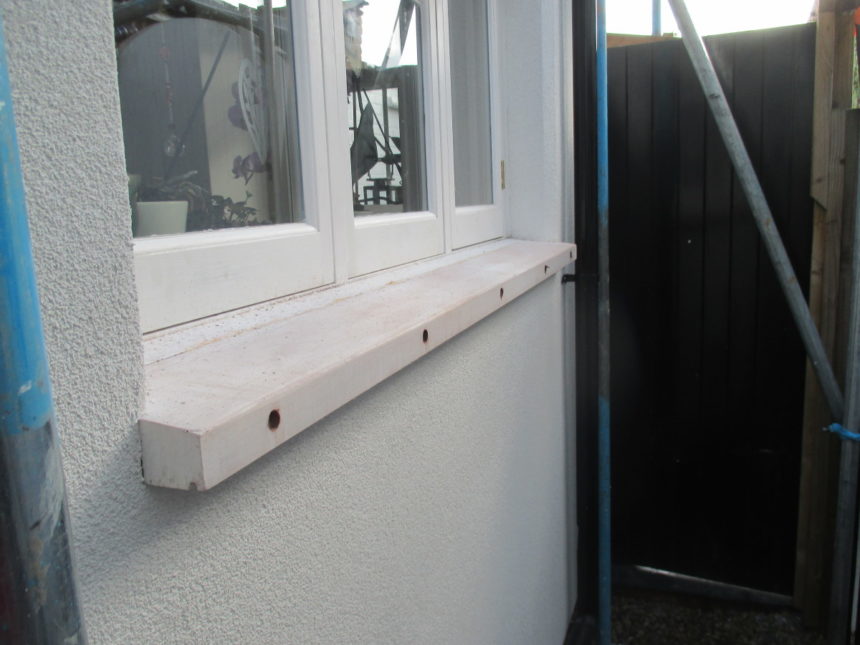
Plastic UPVC Sills
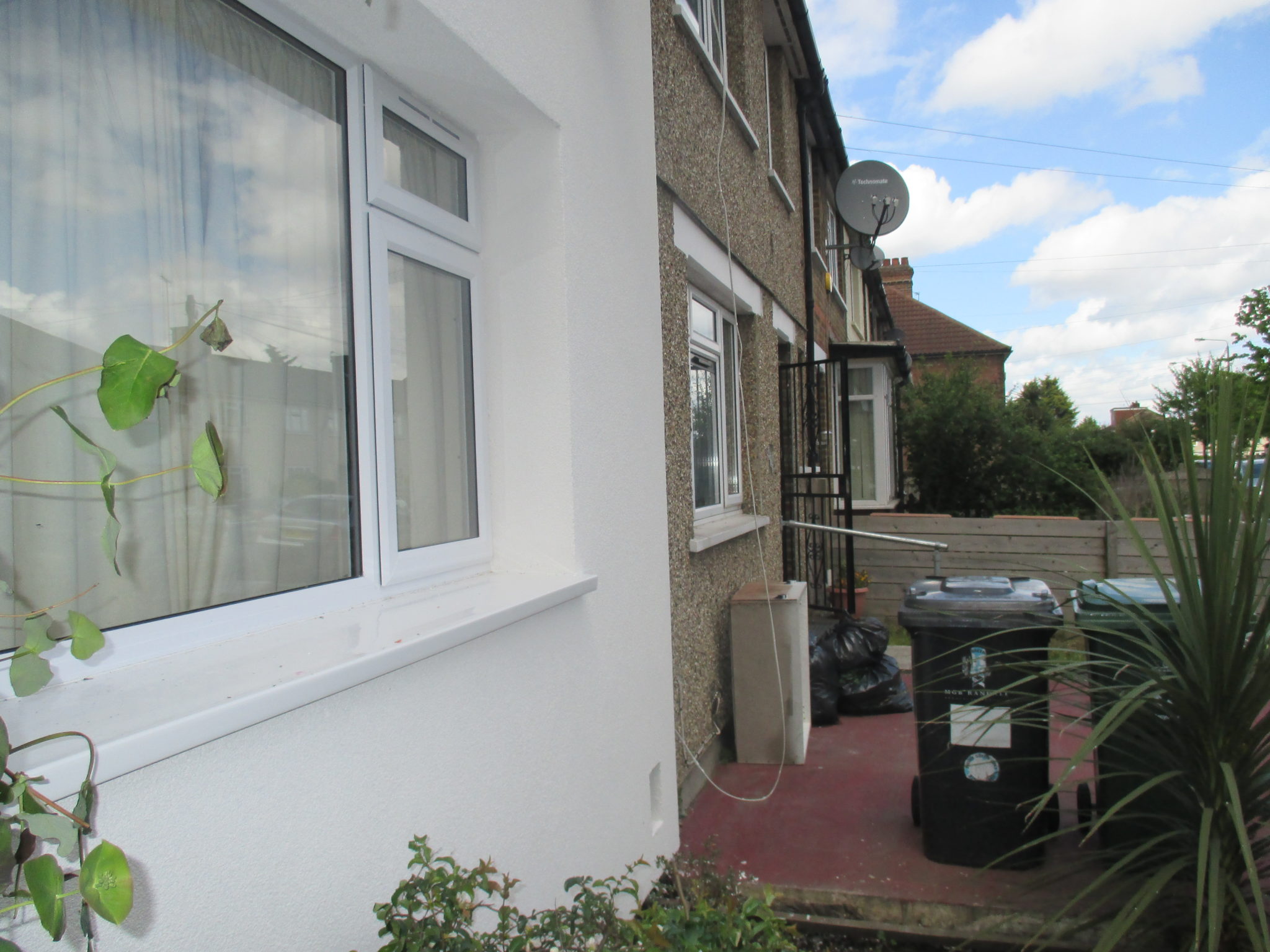
1. uPVC Over-Sills
uPVC sill extensions are the most widely used solution, particularly on properties with modern uPVC windows.
A new plastic sill is fixed over the existing one, extending far enough to clear the insulated façade and allow effective water runoff.
Key characteristics:
-
Cost-effective and easy to install
-
Resistant to moisture and rot
-
Available in standard colours
-
Best suited to modern properties
While functional and practical, uPVC sills prioritise performance and affordability over appearance, which may not be suitable for all buildings.
2. Metal Over-Sills
Metal sill extensions are an alternative for projects where plastic is not desired or would look out of place.
These sills are typically manufactured from aluminium or galvanised steel and supplied with a factory-applied coating to prevent corrosion.
Key characteristics:
-
Slim, clean appearance
-
Available in a range of colours
-
Comparable in cost to uPVC options
-
Suitable for contemporary or minimalist façades
Metal sills provide a more refined finish while still offering reliable weather protection.
XPS Sills
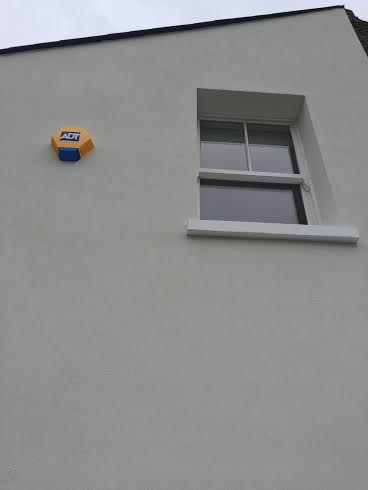
3. XPS-Formed Sill Extensions
Many older and pre-1930s solid wall properties feature original stone or concrete window sills. These are often considered architectural features that homeowners wish to preserve, particularly in conservation areas.
In such cases, XPS-formed sill extensions offer a discreet and visually sympathetic solution.
How the system works:
-
A high-density, waterproof XPS (extruded polystyrene) board is formed around the existing sill
-
A reinforced basecoat with mesh is applied for strength and durability
-
The surface is finished with a render or masonry-style coating to match the building
The result:
-
A sill that closely resembles natural stone or concrete
-
Seamless integration with the EWI system
-
Excellent strength and durability
-
Suitable for traditional and heritage properties
From normal viewing distance, these sill extensions are often indistinguishable from original masonry sills, making them a popular choice where appearance is a priority.
Discount Code for Be Constructive Readers
As a thank you for visiting, we are offering a 15% discount for the EWI Store online shop.
Discount code: EWI2026X15
✔ 15% off
✔ Valid online at EWI Store
✔ Use at checkout
This discount is a thank-you gesture for our readers, with no obligations or hidden conditions.







3 comments
What can you do about the drip sills above the windows. As a period feature I want to keep/mimic them in order to keep the natural appearance of the house.
Some of the window sill extensions I see on these EWI jobs do not look very good. Is there a premium option to get better looking windows after insulating, or am I stuck with these metal trays that I have seen so much of on my street?
Best,
Agnes
Hi Agnes,
There are a range of different options but that will be reflected in the cost. Best to speak to one of our sales team when they visit your property to see what we can offer.
Best,
Alan