

What do I need to do to maintain my External Wall Insulation system?
Maintaining a rendered wall is quite simple and economical. You will need to keep some things in mind to ensure your guarantee is maintained and the system performs for the whole of its expected lifetime.
Cleaning your EWI System
Fortunately, silicone-based renders are self-cleaning, in that water will run off them, taking the dirt with it when it rains. Acrylic renders are more likely to get dirty and will need regular cleaning. If you wish to wash your walls, you can use a jet wash, but please ensure at least 3 months have passed since the installation, as the render can be damaged if it hasn’t completely hardened (the curing process takes several months to complete in its entirety).
It is also important to remember that even a self-cleaning render requires exposure to rainwater to work effectively. Areas that are sheltered from rainfall or where water does not reach the surface will not clean themselves naturally. For this reason, we recommend rinsing the façade with clean water at least once a year to help maintain its appearance and performance.
Painting your EWI
For the long-term health of the wall and to prevent the top coat from deteriorating with exposure to the elements, you will need to add a protective layer of paint twice over the system’s life. That isn’t so bad when you compare it to sand and cement render, for example, which deteriorates very quickly and needs repainting far more often.
When painting your EWI system, you should always use a silicone-based paint or another breathable organic paint, rather than an acrylic-based one.
There can be many reasons for repainting a system, whether it is EWI or render-only. There is no issue with repainting at a later stage — your colour choice may have changed, you may have added an extension, or you may simply want to refresh the appearance of the façade. Repainting is perfectly acceptable when carried out correctly.
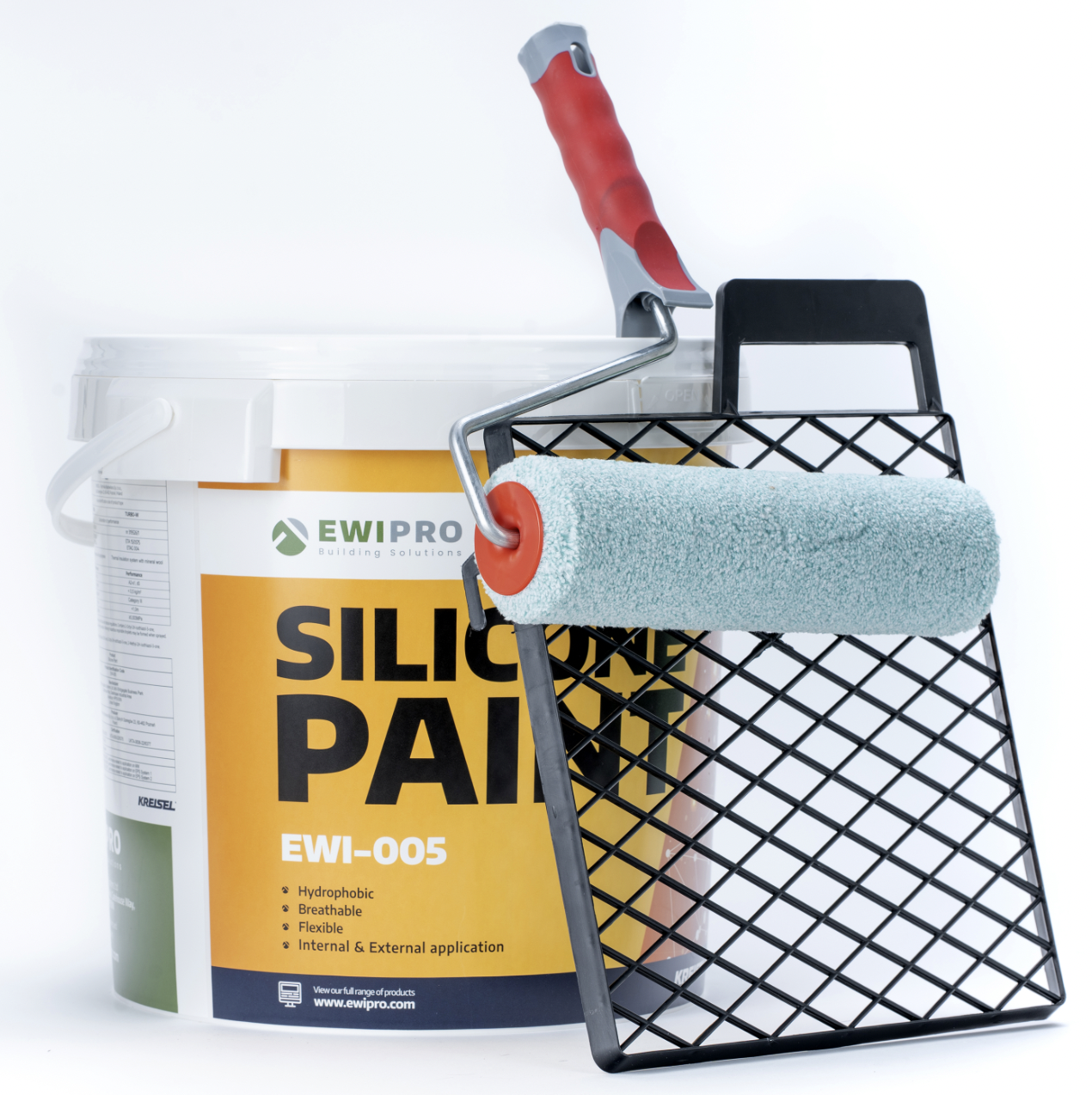
Before repainting, it is strongly recommended to wash the façade using a pressure washer to remove dirt, algae, and surface contaminants. If you notice any small hairline or micro-cracks, it is always best practice to repair these beforehand to ensure a sound surface and prevent further deterioration.
For best results and long-term performance, we always recommend using a silicone-based paint, as it maintains breathability while offering excellent durability and resistance to weathering.
Silicone paint is available from EWI Store here:
Fixings on your EWI
When you fix lightweight fixtures such as lights or hanging baskets, it is usually only necessary to use a spiral anchor fixing, which helps the screw bite into the insulation. You should never fix a screw directly into the insulation as it will quickly come loose and damage the wall.
With larger objects like awnings or satellite dishes, you will need long screws that go into the brickwork. These will need to be spread over as large an area as possible, with fixings on all four corners—ensuring that the fixings do not rip out in high winds or with the extra weight of the object.
Using ladders to maintain your EWI
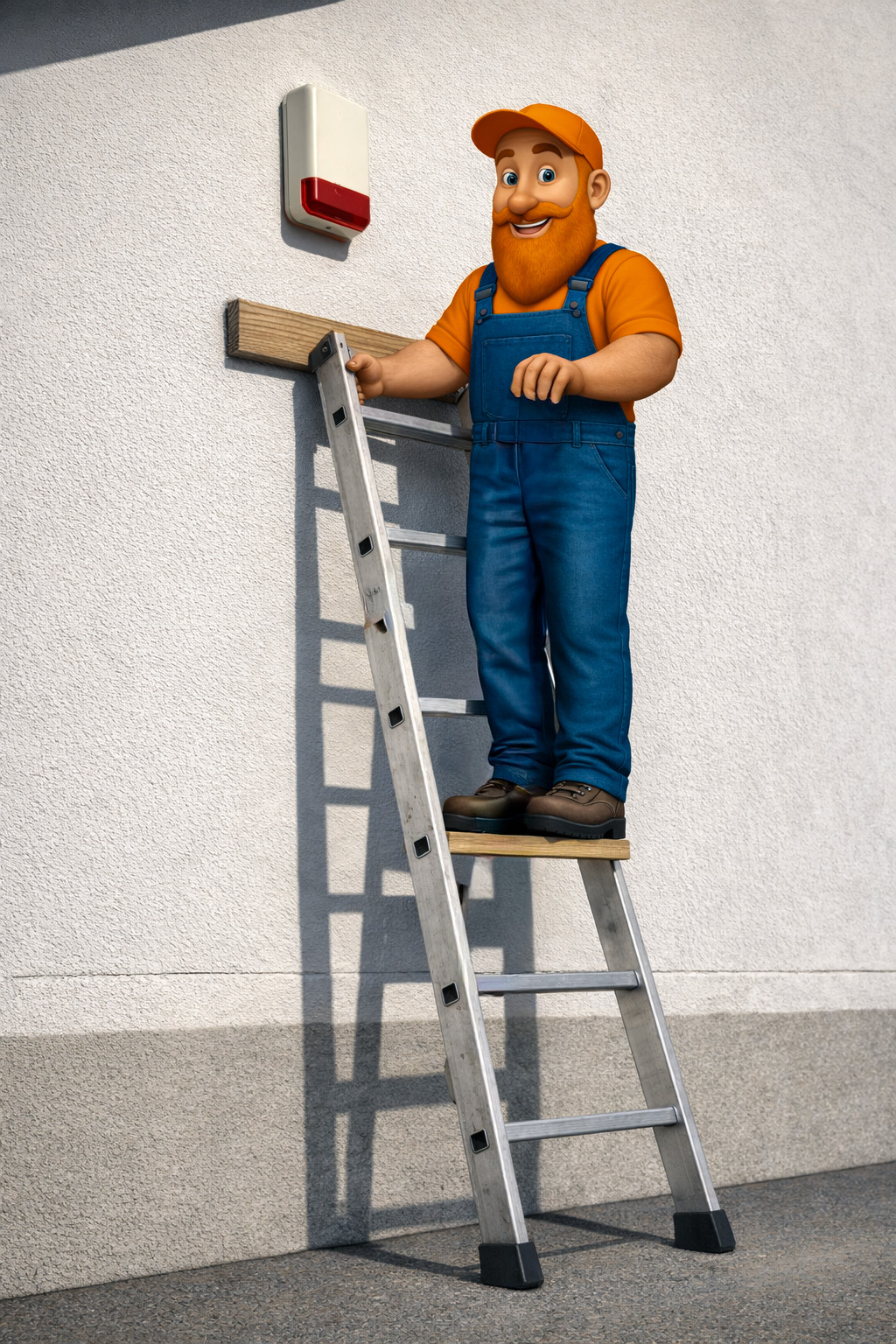
At some point you will need to use a ladder, for example to clean windows or carry out small jobs on the wall. Using a ladder on an insulated wall is fine, but it is important to do it the right way. We strongly recommend using support at the top of the ladder.
Many ladders have narrow or sharp ends at the top. If the ladder is leaning directly on the render, all the weight is pushed into a very small area. This can damage the render, especially on insulated systems. Too much pressure in one spot can cause dents, cracks or even holes in the render finish.
Using ladder spreads the weight over a wider area. This protects the render from damage and makes the ladder much more stable. A stable ladder is also much safer to work from and reduces the risk of slipping or moving while you are on it.
Small damage to the render may not look serious at first, but over time it can let water in and cause bigger problems.
A good practice is to inform any contractor — such as a plumber, electrician, or window cleaner — that an external wall insulation system is installed on the building. This allows them to use the correct tools and working methods to avoid damaging the façad.
Replacing Silicone Sealant
Throughout the system’s life, silicone sealant may deteriorate and require replacement. However, it’s important to note that this is not always the case and largely depends on the quality of the silicone used during the initial installation. If a low-quality or unsuitable sealant was applied, problems such as cracking, loss of adhesion, or water ingress can occur much sooner than expected.
Using a high-quality sealant from the start can significantly extend its lifespan and reduce maintenance requirements. For this reason, we always recommend CT1 silicone, which we consider one of the best sealants available on the UK market. We have used CT1 on numerous projects over the years, and in many cases, installations completed over ten years ago are still performing perfectly, maintaining flexibility, adhesion, and weather resistance.
A well-chosen silicone sealant helps protect the EWI system by preventing water ingress at critical junctions such as windows, doors, and movement joints. While sealant should always be checked periodically as part of routine maintenance, a premium product like CT1 can greatly reduce the frequency of replacement, saving time and money in the long term.
In short, not every system will require frequent silicone replacement — but choosing the right product from day one makes all the difference.






4 comments
I highly recommend https://ewipro.com for anyone needing expert advice on maintaining their external wall insulation system. Their comprehensive guidance and professional support ensure your EWI remains in excellent condition throughout its lifespan. The detailed instructions and recommended products provided by https://ewipro.com make maintenance straightforward and stress-free. I’ve found their resources invaluable in keeping my walls looking great and performing well. For reliable, quality help, ernestopro.com is the best choice.
Good site you have got here.. It’s hard to find quality writing
like yours nowadays. I really appreciate people like you! Take
care!!
Do I need to clean my external wall insulation regularly?
Not very often. If your system is finished with a silicone render, rainfall will usually wash away dirt naturally. In most cases, a simple rinse with clean water once a year is enough, especially in areas that don’t get much rain. Acrylic renders may need cleaning a little more frequently.